Everyone Cares About Climate Change — They May Just Not Know It

If you work in climate communications, you've probably absorbed two competing truths about climate change: it's one of the defining issues of our time, and it's somehow still a hard sell for media coverage. A new preprint from the Yale Program on Climate Change Communication puts hard numbers behind that contradiction and provides some context for just how difficult it is to get the mainstream population to read about the implications of Earth’s rapidly warming atmosphere.
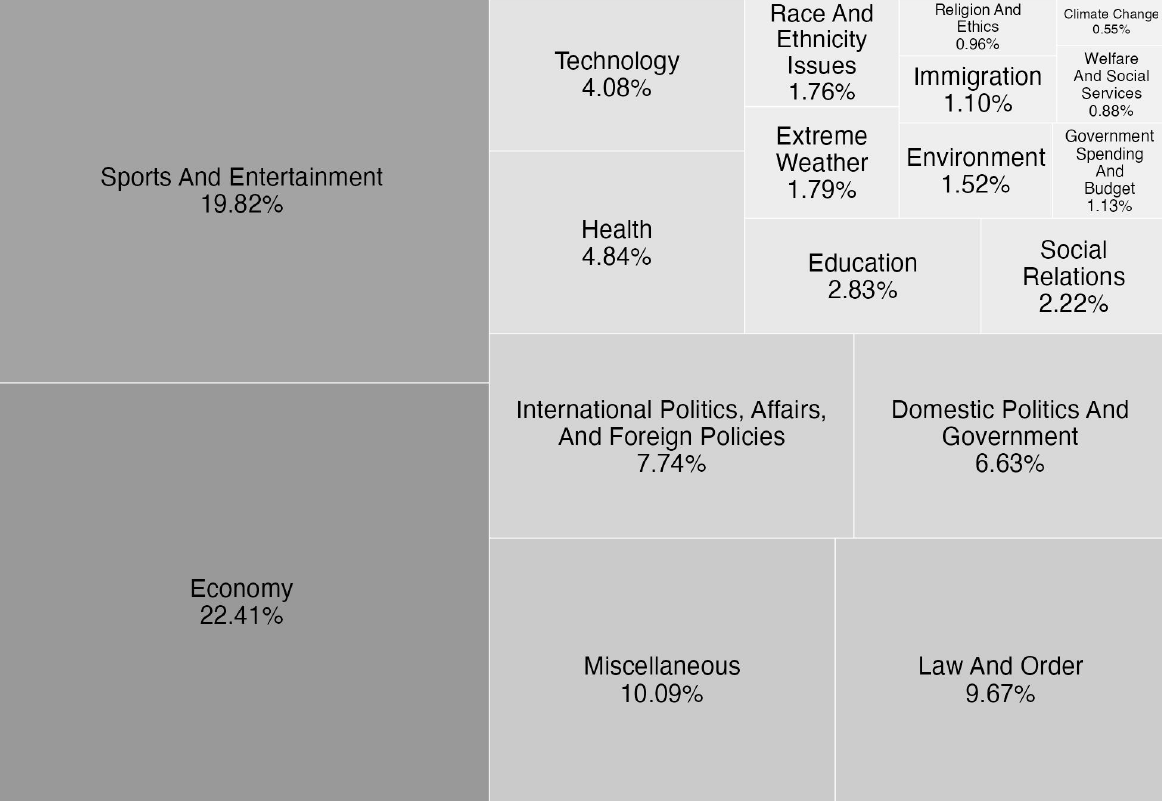
The study, "From Silence to Whisper: Climate Change in U.S. News Media, 1984–2025," found that climate change accounted for just 0.55% of all U.S. news coverage over the last four decades. Although coverage has grown over time, it remains heavily concentrated in science and policy reporting, while its broader connections to the economy, health, inequality, local risk, and everyday life remain underdeveloped.
Why this matters for communicators
For PR professionals, this is essentially a study about pitch strategy and framing. If climate is being treated as a specialized beat that is confined to slivers of science and policy desks, gets attention during the UN’s annual climate summit (COP), and otherwise sits on the sidelines, then any client whose story depends on climate as context is fighting for space in a 0.55% slice of coverage.
The way to expand your potential media exposure is to stop pitching climate alone. A health reporter wouldn’t be drawn to a “climate story." They’re interested in stories about how extreme heat is straining hospital capacity, or how factory pollution is increasing cancer rates. A business reporter isn’t looking for a sustainability angle; they’ll be writing about supply chain risks, transportation disruptions, or capital allocation.
This also speaks to what the average American cares about today. I often hear that climate change isn’t a priority for Americans, but I don’t buy that (and studies back me up). However, I think understanding how Americans care about climate change requires a broader view of how climate intersects with the everyday issues people consider top priorities: your electric bill, your home insurance, your child’s asthma, or the price of your groceries.
This is the cross-cutting framing that the Yale researchers point to as missing, and it's also the exact muscle PR teams should be building. Your climate story isn't less true because it's told through a health, economy, or technology lens — it's more likely to get covered, and more likely to land with audiences who've potentially tuned out "climate" as a category.
What this looks like in practice
To expand your clients’ coverage beyond the climate silo, consider these practical changes:
- Expand your beats: Identify which non-environmental desks could own the human impact of your story — health, business, real estate, local news — and pitch accordingly.
- Localize: "Local risk" was specifically named as an underdeveloped area in this study. National climate stories rarely move readers the way that "this is happening in your zip code" stories do.
- Borrow the news hook: Major weather and disaster events generate attention. The Yale study suggests that this attention isn't necessarily translating into a climate context. Be the source that makes that tangible climate connection, before reporters file their stories without it.
- Don't wait for COP: While COP is guaranteed to spike climate coverage, it makes for a crowded news cycle dominated by major political players. The bigger opportunity may be in the 11 months when your story isn’t competing with a UN summit for attention.
Rethinking climate stories
U.S. media isn't ignoring climate change so much as boxing it into one corner of the news ecosystem. For organizations whose stories intersect with climate, the opportunity is to consistently show up in the other corners too.
That's the kind of narrative work we do at Sun PR every day. If your organization has a climate-adjacent story that's struggling to break out of the environmental silo, that's a framing problem we'd welcome the chance to solve.